• admission@tisagra.com
  • +91-7055004449
the international school agra logo
  • OUR SCHOOL
    • About School
    • The TISA Way
    • The TISA Advantage
    • The Advisory Board
    • Leadership Team
    • TISA Events
    • Mandatory Disclosures
    • TISA FAQs
  • ADMISSION
    • Admission Overview
    • Online Registration
    • TISA Fee Structure
    • Pay Online Fee
    • Admission Entrance Test syllabus
    • Contact School
    • School Transport
  • OUR CAMPUS
    • TISA’s CAMPUS
    • Facility & Infrastructure
    • Image Gallery
    • Video Gallery
  • OUR CURRICULUM
    • Kindergarten Curriculum
    • Primary & Middle School Curriculum
    • Secondary & Senior Secondary Curriculum
    • ACTIVITY PLANNER GRADE NURSERY – V
  • RESOURCES
    • Blog
    • Circulars
    • Announcements
  • TISA FOR
    • Parents
      • Guidelines & Policies
      • Health Guidelines
      • Circulars
      • Communication between school and parents
      • Feedback
    • Students
      • Student Responsibilities & Rights
      • Discipline Incharges
      • Student Council
      • TC Issued
Phone
Navigate
Whatsapp
Registration
Pay School FEE
  • OUR SCHOOL
    • About School
    • The TISA Way
    • The TISA Advantage
    • The Advisory Board
    • Leadership Team
    • TISA Events
    • Mandatory Disclosures
    • TISA FAQs
  • ADMISSION
    • Admission Overview
    • Online Registration
    • TISA Fee Structure
    • Pay Online Fee
    • Admission Entrance Test syllabus
    • Contact School
    • School Transport
  • OUR CAMPUS
    • TISA’s CAMPUS
    • Facility & Infrastructure
    • Image Gallery
    • Video Gallery
  • OUR CURRICULUM
    • Kindergarten Curriculum
    • Primary & Middle School Curriculum
    • Secondary & Senior Secondary Curriculum
    • ACTIVITY PLANNER GRADE NURSERY – V
  • RESOURCES
    • Blog
    • Circulars
    • Announcements
  • TISA FOR
    • Parents
      • Guidelines & Policies
      • Health Guidelines
      • Circulars
      • Communication between school and parents
      • Feedback
    • Students
      • Student Responsibilities & Rights
      • Discipline Incharges
      • Student Council
      • TC Issued
  • OUR SCHOOL
    • About School
    • The TISA Way
    • The TISA Advantage
    • The Advisory Board
    • Leadership Team
    • TISA Events
    • Mandatory Disclosures
    • TISA FAQs
  • ADMISSION
    • Admission Overview
    • Online Registration
    • TISA Fee Structure
    • Pay Online Fee
    • Admission Entrance Test syllabus
    • Contact School
    • School Transport
  • OUR CAMPUS
    • TISA’s CAMPUS
    • Facility & Infrastructure
    • Image Gallery
    • Video Gallery
  • OUR CURRICULUM
    • Kindergarten Curriculum
    • Primary & Middle School Curriculum
    • Secondary & Senior Secondary Curriculum
    • ACTIVITY PLANNER GRADE NURSERY – V
  • RESOURCES
    • Blog
    • Circulars
    • Announcements
  • TISA FOR
    • Parents
      • Guidelines & Policies
      • Health Guidelines
      • Circulars
      • Communication between school and parents
      • Feedback
    • Students
      • Student Responsibilities & Rights
      • Discipline Incharges
      • Student Council
      • TC Issued
Admission Open
Pay FEE

Connecting with Parents Through Classroom Observations

  • Article By TISA Content Team
  • October 7, 2024
Table of Contents

Classroom observation is a tool that can be used to help teachers communicate with parents. Teachers should be able to observe and evaluate their students’ progress, but they should also use classroom observations as a way of communicating with parents.

This blog post will give you an overview of what classroom observation is, why it’s important and how you can use it as a tool for communicating with parents

Benefits of Classroom Observations

Classroom observations are a great way for teachers to communicate with parents. They allow teachers to identify student issues and provide an opportunity for teachers to recognise student strengths.
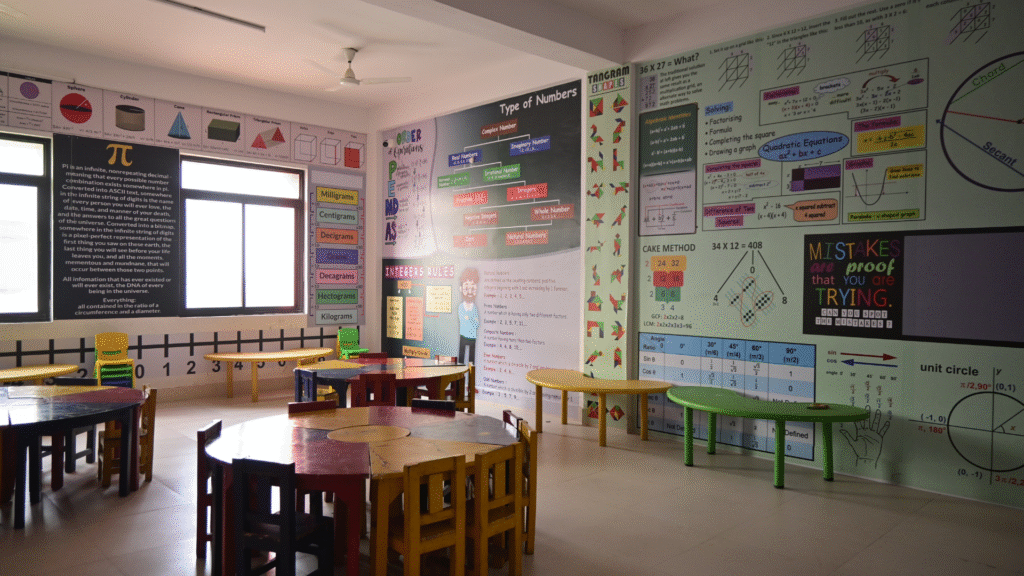
Benefits of classroom observations tisa math lab
Connecting with parents through classroom observations 3

The benefits of classroom observations include:

  • Improves communication between teachers and parents
  • Allows teachers to identify student issues
  • Provides an opportunity for teachers to recognise student strengths and help them understand modern education

Types of Observations

Informal observations

These are quick and informal and can be done by teachers or parents. They’re used to assess what’s going on in the classroom and give feedback to the teacher about how well students are learning. For example, if you notice your child struggling with a certain skill or concept during an informal observation, you can ask them to explain it to you so that you can help them at home.

Formal observations

These are more formal than informal ones, but still not as formal as teacher-led ones (which we’ll get into next). A formal observation involves someone coming into your child’s classroom and observing him or her while they’re working on specific tasks related specifically to their grade level (for example, kindergarteners might have an activity where they need to write their name). Afterwards, this person will meet with the teacher privately so they can discuss what was observed during those tasks–and any suggestions for improvement–before returning home with some ideas about how best to use this information moving forward!

How to Prepare for Observation

Before you conduct your classroom observation, it’s important to have a plan. The following steps will help you prepare:

  • Create expectations. Set the tone for how parents should interact with their child and other students during the observation. For example, let them know that it is not appropriate for them to ask questions about grades or specific assignments during this time; instead, they should focus on observing their child’s behaviour in class and interacting with teachers as needed.
  • Practice the process of conducting an observation with another teacher or administrator who has experience doing so (and who can offer feedback). This will allow both of you to become comfortable with how things work before trying them out in front of parents!
  • Create feedback loops so that we can continue improving our practices over time by incorporating what we learn from each interaction into future ones with families at school events like open houses or parent-teacher conferences.”

The Role of Technology in Classroom Observations

The use of technology in classroom observations is a growing trend. Teachers are using video recording, virtual classroom observation tools and data and analytics to improve their practice.

Video recordings can be used as part of observation or used by teachers to review their own practice. Teachers have reported that they feel more confident about what they’re doing when they have recorded evidence to support their teaching decisions.
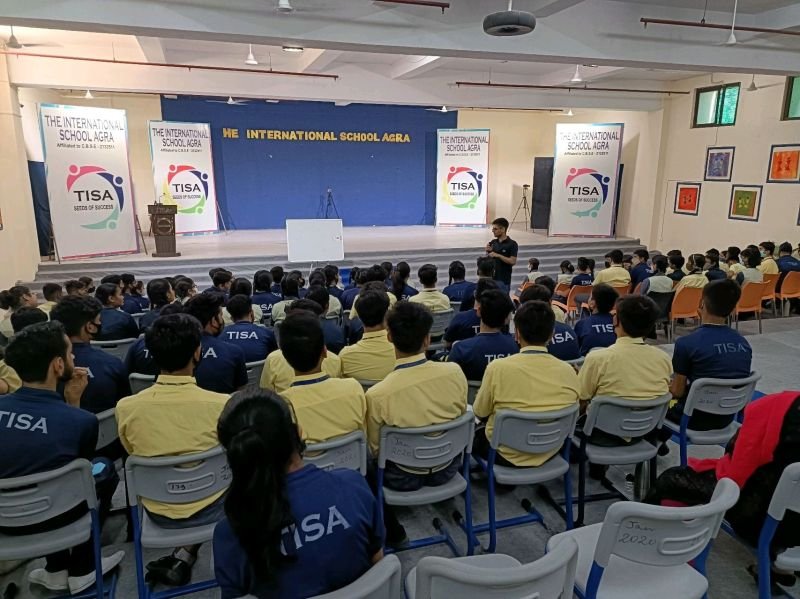
Indoor auditorium the international school agra (tisa)
Connecting with parents through classroom observations 4

The Benefits of Using Technology

There are many benefits to using technology for classroom observations. First, it saves time and money by eliminating the need for teachers to travel from school to school. Second, it enhances accuracy by allowing observers from different locations or schools to observe the same lesson at the same time. Finally, this method provides a more comprehensive picture of the classroom because it allows for multiple perspectives on how students interact with one another and respond to instruction.

Best Practices for Classroom Observations

As you conduct classroom observations, it’s important to create a supportive environment for both parents and teachers. Teachers should focus on student behaviour rather than the parents’ behaviour during the observation. The goal of observation is not to criticise or judge; it’s for teachers and parents to work together to improve student achievement.
Parents should be given data from previous years so they can see how their child has progressed over time. If there are areas where improvement is needed, provide feedback on what needs improvement as well as how teachers can help students achieve success in those areas. Parents appreciate receiving timely feedback so they know what steps need to be taken next by both parties involved (teacher/parent).

The Impact of Student Development

Classroom observations are a great way to improve communication between teachers and parents. They allow teachers to share their lesson plans with parents, which helps them understand what their child is learning in school.
Parents can also use this information as a tool for helping their children at home by reinforcing the concepts they learned in class or providing additional practice with certain skills. This type of collaboration between teacher and parent has been shown to have positive effects on student development, such as improved academic performance and higher self-esteem.

Conclusion

To sum up, classroom observations are a valuable tool for teachers to communicate with parents and guardians. They provide an opportunity to share information about student progress, behaviour, and overall performance in school. Moreover, they help teachers understand their students better and make appropriate adjustments in their teaching styles to support their learning. As such, classroom observations can be a win-win for the entire education community
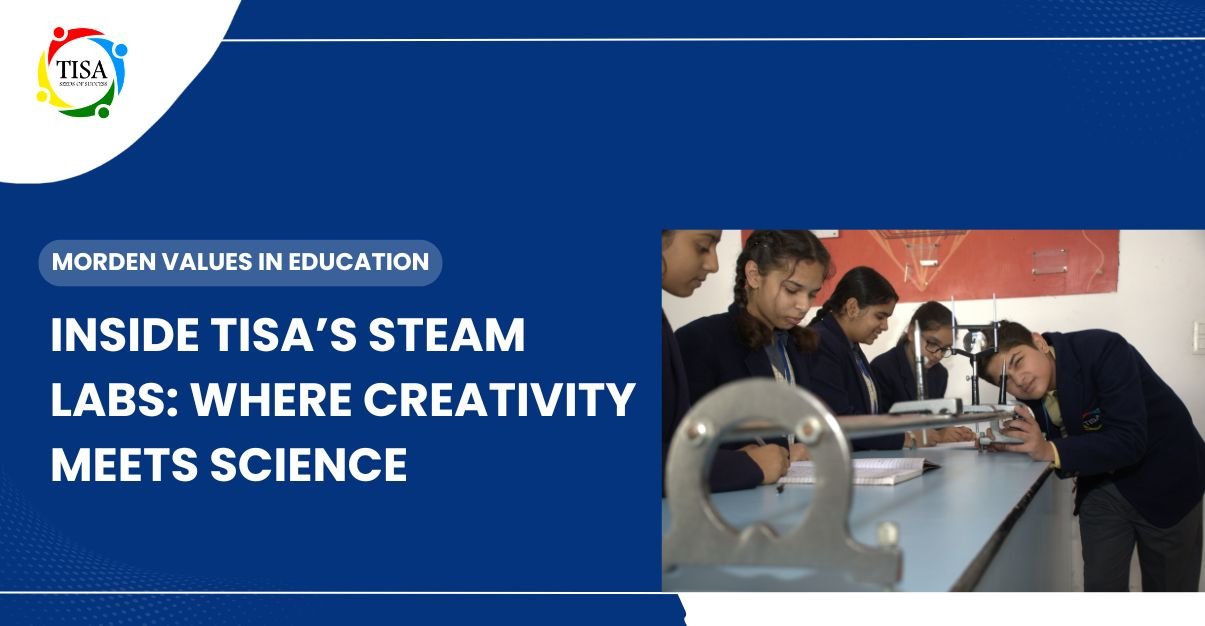
Inside TISA’s STEAM Labs: Where Creativity Meets Science
November 28, 2025
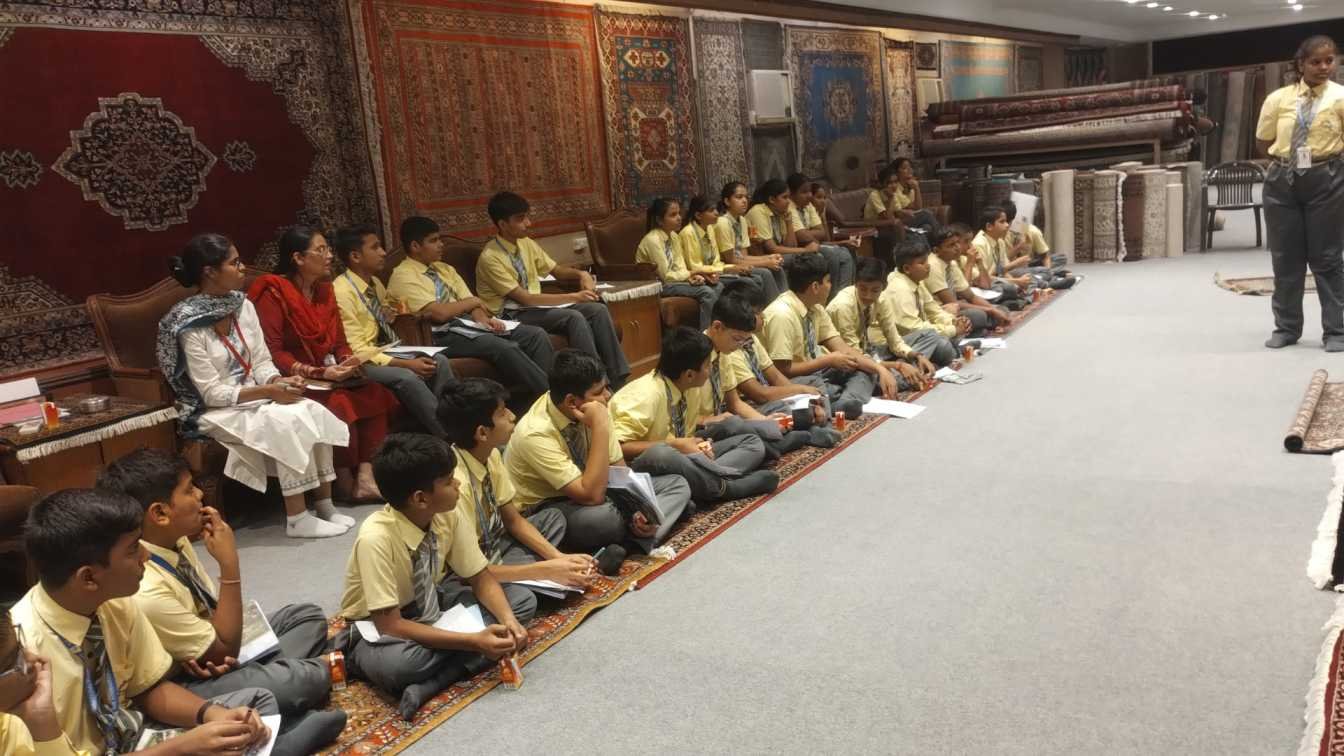
A group of school students in yellow uniforms sit on rugs inside a carpet showroom or gallery, attentively listening to a presentation.
TISA Educational Visit: Exploring the Intricacy of Thread Weaving – The Hand-Knotted Carpets of Agra
November 8, 2025
The International School Agra’s Under-19 Girls Badminton Team receiving the bronze trophy from their coach after winning at the CBSE National Badminton Championship 2025 in Gohana, Haryana.
TISA Makes Agra Proud: Bronze Victory at CBSE National Badminton Championship 2025
November 5, 2025
Why Early Childhood Education Shapes a Child’s Future
October 10, 2025
"Illustration of a child writing in a notebook with the text '10 Tips to Improve Your Writing Skills' and a colorful TISA logo in the top left corner."
10 Tips How Can You Improve Your Writing Skills?
April 7, 2025
"Illustration of a child sitting between two parents on a couch, with comforting gestures, accompanied by the text 'How can you talk to your parents about something that's bothering you at school?' and the TISA logo in the top left corner."
How can you talk to your parents about something that’s bothering you at school?
April 7, 2025
Speak with our counsellor
  • Enquire about School Admissions
  • Schedule your School Visit
  • Enroll for New Session
+91-7055004449
admission@tisagra.com
Facebook-f Instagram Youtube Linkedin-in

Useful Links

  • About
  • TISA FAQs
  • Contact Us
  • TISA Magazine
  • Transfer Certificate
  • Enternace Test Syllabus 2025-2026
  • Copyright Takedown Policy
  • Image Licensing
  • Privacy Policy
  • Terms & Condition
  • About
  • TISA FAQs
  • Contact Us
  • TISA Magazine
  • Transfer Certificate
  • Enternace Test Syllabus 2025-2026
  • Copyright Takedown Policy
  • Image Licensing
  • Privacy Policy
  • Terms & Condition

Quick Links

  • TISA Admission Process
  • Our Campus
  • Blog
  • ACTIVITY PLANNER GRADE NURSERY – V
  • Announcements
  • Student Council
  • Discipline Incharges
  • School Transport
  • Student Responsibilities & Rights
  • The Advisory Board
  • Gallery
  • TISA Admission Process
  • Our Campus
  • Blog
  • ACTIVITY PLANNER GRADE NURSERY – V
  • Announcements
  • Student Council
  • Discipline Incharges
  • School Transport
  • Student Responsibilities & Rights
  • The Advisory Board
  • Gallery

Reach Us

  • 9th, Milestone, Fatehabad Road Agra, 282001
  • +91-7055004449
  • admission@tisagra.com
© 2025 TISA. All rights reserved | Powered by Nueva Digital Solutions
Manage Consent
To provide the best experiences, we use technologies like cookies to store and/or access device information. Consenting to these technologies will allow us to process data such as browsing behavior or unique IDs on this site. Not consenting or withdrawing consent, may adversely affect certain features and functions.
Functional Always active
The technical storage or access is strictly necessary for the legitimate purpose of enabling the use of a specific service explicitly requested by the subscriber or user, or for the sole purpose of carrying out the transmission of a communication over an electronic communications network.
Preferences
The technical storage or access is necessary for the legitimate purpose of storing preferences that are not requested by the subscriber or user.
Statistics
The technical storage or access that is used exclusively for statistical purposes. The technical storage or access that is used exclusively for anonymous statistical purposes. Without a subpoena, voluntary compliance on the part of your Internet Service Provider, or additional records from a third party, information stored or retrieved for this purpose alone cannot usually be used to identify you.
Marketing
The technical storage or access is required to create user profiles to send advertising, or to track the user on a website or across several websites for similar marketing purposes.
  • Manage options
  • Manage services
  • Manage {vendor_count} vendors
  • Read more about these purposes
View preferences
  • {title}
  • {title}
  • {title}

Preparing Agra’s Next Generation of Leaders

Admissions now open — blending strong academics with life skills to help your child thrive in the future.
Enroll Today