We have come a long way in understanding how modern education works. It goes far beyond textbooks and classrooms. There’s no doubt that academics matter, and they always will. However, learning does not stop there. Students also grow through activities that shape confidence, creativity, discipline, and communication. Hence, cocurricular activities play a major role in overall development.
In a city like Agra, where schools offer diverse learning environments, choosing the right cocurriculars becomes even more important. Therefore, understanding how these activities support growth can help you make better decisions for students. We are bringing you a guide that will help you explore cocurricular options in Agra and choose what fits your child best:
Why Are Co-Curriculars In Agra Important?
Co-curricular activities are learning experiences that take place alongside academics for the students. These activities support classroom learning but focus on skills that books alone cannot teach. It also helps them build confidence and positive memories.
For example, sports teach teamwork and discipline. Music improves focus and emotional expression. And debate helps with communication and critical thinking. Hence, cocurriculars help students discover interests while building real-life skills.
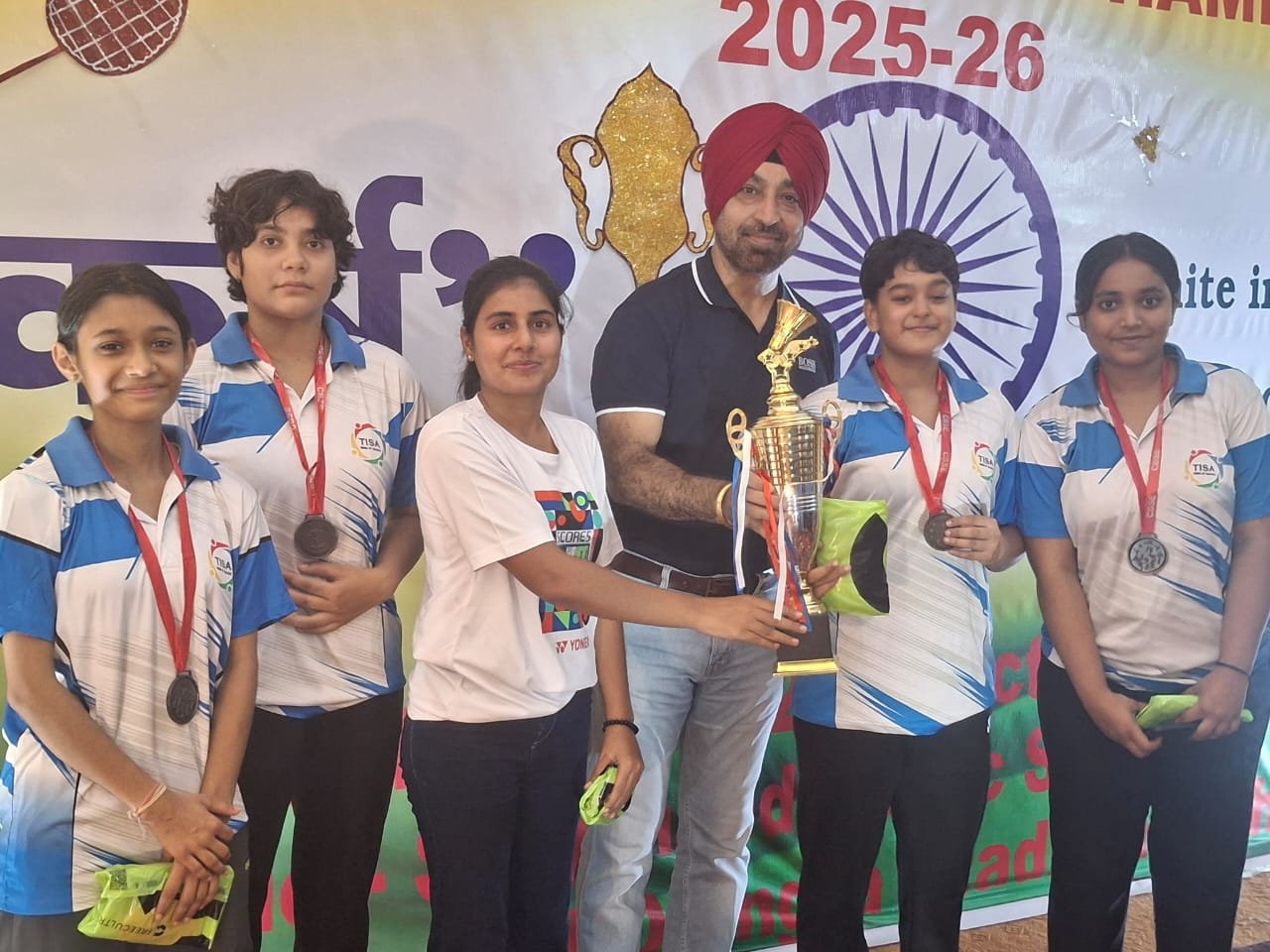
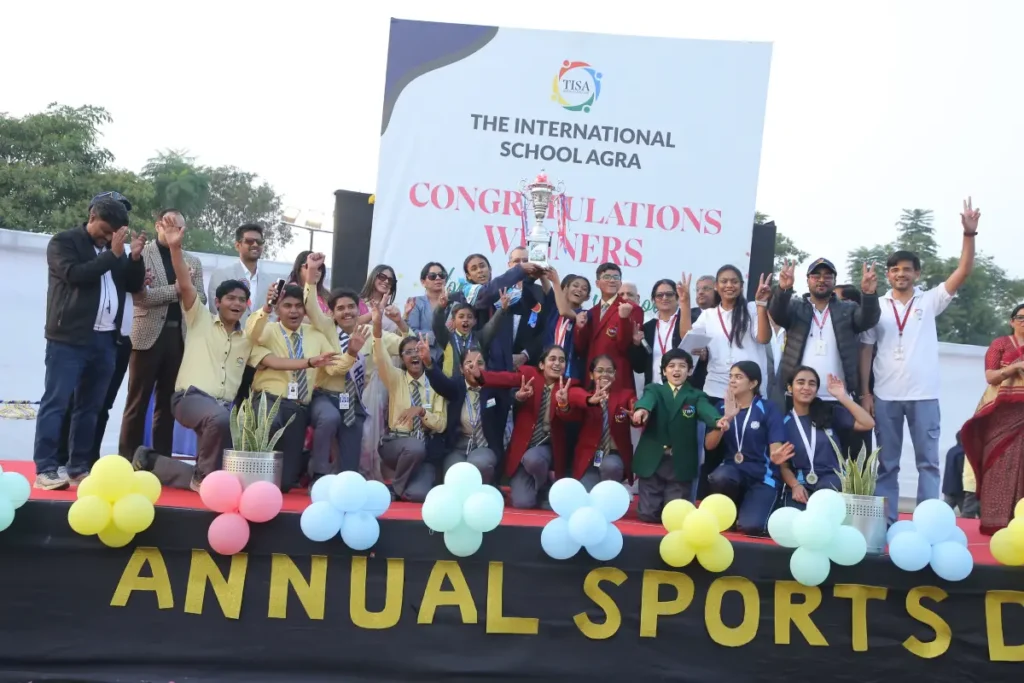
When they win or share this experience with other students, they can understand the interests better. Moreover, they get memories they can share with others for years to come.
In short, these activities shape personality, confidence, and mindset. Therefore, choosing them carefully matters as much as selecting the right subjects.
Co-Curricular Activities In Agra
Agra offers a mix of traditional and modern schooling, especially in top schools, where we try to balance it out. However, academic pressure can sometimes limit overall exposure. That’s where cocurriculars come in play to balance it out.
These activities encourage students to explore talents beyond exams. Basically, they reduce stress and improve mental well-being. Colleges and universities also value students with diverse skill sets if you take a good look. Therefore, participation in cocurriculars supports both present growth and future opportunities.
Many reputed schools in Agra understand this balance well. Schools like TISA, for example, integrate cocurricular activities naturally into student routines without compromising academics. The TISA approach helps students grow holistically.
Types of Co-Curricular Activities Commonly Offered in Agra
There’s no doubt that there are plenty of activities like dancing, singing, arts, science, and literature to choose from. However, before choosing, it helps to understand what options usually exist. Agra schools offer a wide range of cocurricular activities across categories.
Sports and Physical Activities
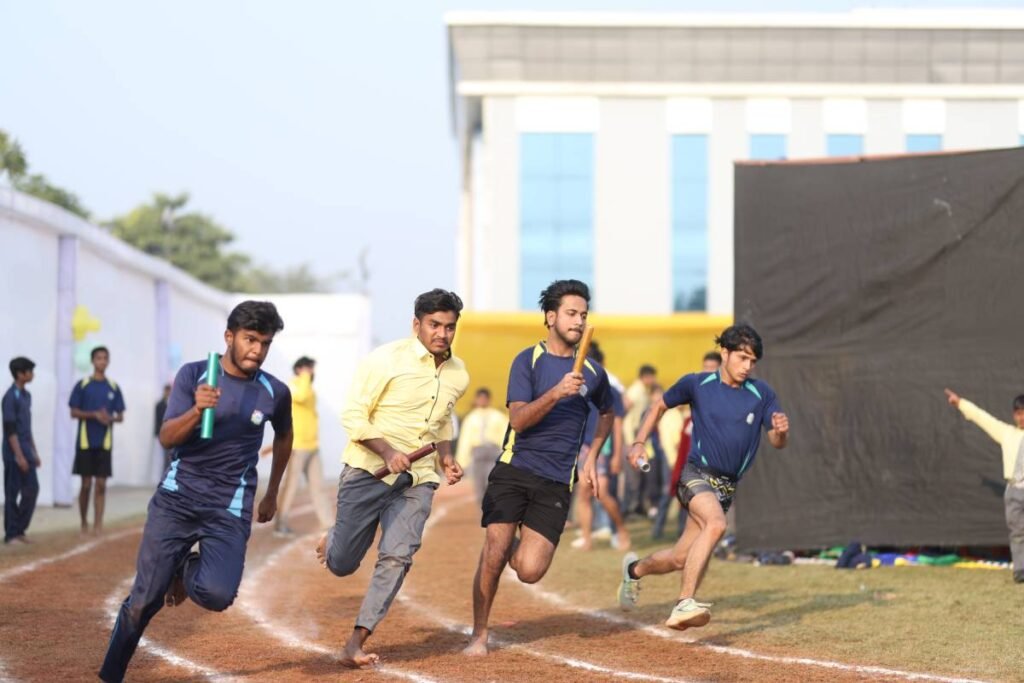
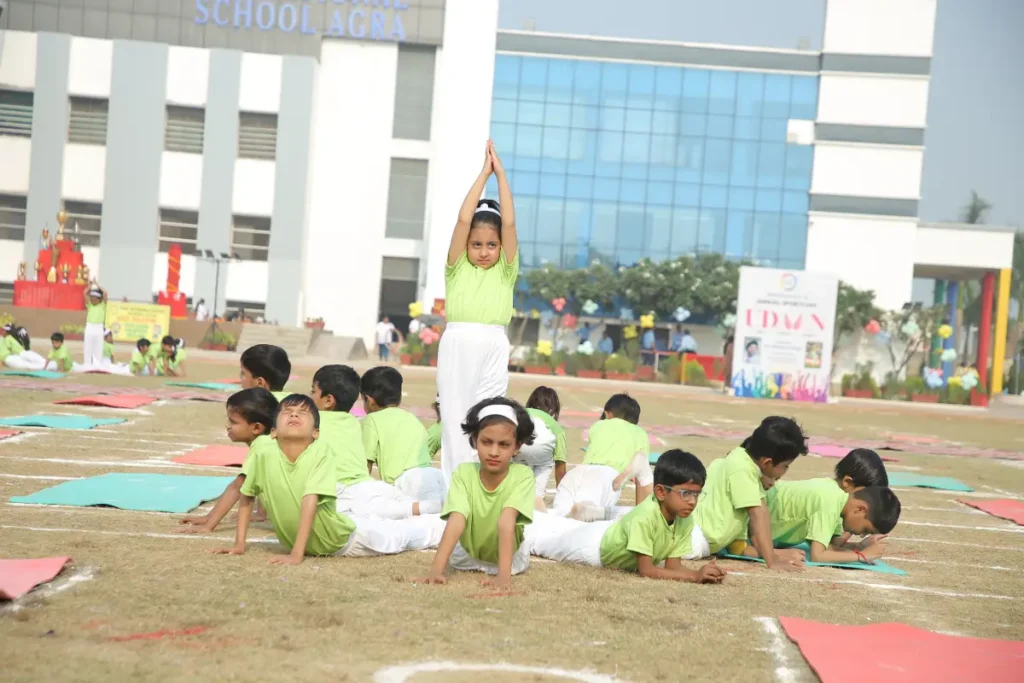
Sports remain one of the most popular cocurricular choices. These activities may include football, basketball, cricket, athletics, yoga, and martial arts.
Sports improve stamina, discipline, and teamwork. Additionally, they teach students how to handle wins and losses gracefully. Hence, physical activities support both physical and emotional health.
Performing Arts and Creative Expression
Creative activities include music, dance, theatre, and other similar art forms. These allow students to express thoughts and emotions freely. It helps them explore their imagination and gives them the right shape.
Art builds patience and imagination. Similarly, dance improves coordination and confidence. Furthermore, stage exposure helps students overcome fear. A lot is going on with these art forms, and TISA aims to provide a platform for these students.
Academic Clubs and Skill-Based Activities
Clubs such as science clubs, robotics, coding, debate, and quiz groups sharpen thinking skills. These activities support logical reasoning and problem-solving.
Additionally, they help students apply classroom knowledge practically. Hence, skill-based cocurriculars prepare students for competitive environments naturally.
How to Choose the Right Co-Curricular Activity
Now we come to the part that matters the most. It is about choosing activities, but they should never feel forced. As a parent, we need to remember that each student is different. Therefore, the selection process needs care and observation. It is important to let your child be free to choose whatever they would like. And similarly, they should also have the freedom to switch in the future. With that being said, you can help your kid by following this guide:
Understand Their Interests
Interest should always come first. If your child enjoys music, then forcing them to participate in sports may reduce motivation. Similarly, a physically active student may struggle in creative endeavours. While this is not necessarily true, it could be the case.
Therefore, observing natural inclination helps narrow choices. Additionally, allowing students to explore multiple options initially can reveal hidden talents. It would be a good idea to get them to participate in various activities earlier in life, for them to explore their interests better.
Consider Age and Academic Load
Age plays a role in activity selection, especially with brain development. Younger students may enjoy exploratory activities, while older students may prefer focused skill-building.
Similarly, academic workload matters. Therefore, cocurriculars should complement studies, not overwhelm them. Schools that balance both, like TISA, structure activities thoughtfully within schedules. Imagine if during your time, you had a school that could help you balance it all out. Would have been fun, no?
Look at Long-Term Skill Development
Of course, for the sake of fun, we can’t just let our kids throw their future away. But all activities are good in one way or another. For example, some activities support long-term benefits. Public speaking improves confidence. Sports teach leadership. Creative arts nurture emotional intelligence.
Hence, choosing activities with transferable life skills adds more value than short-term trends. For this, you may have to give time to understanding your kid and what they may desire.
Role of Schools in Supporting Co-Curricular Growth
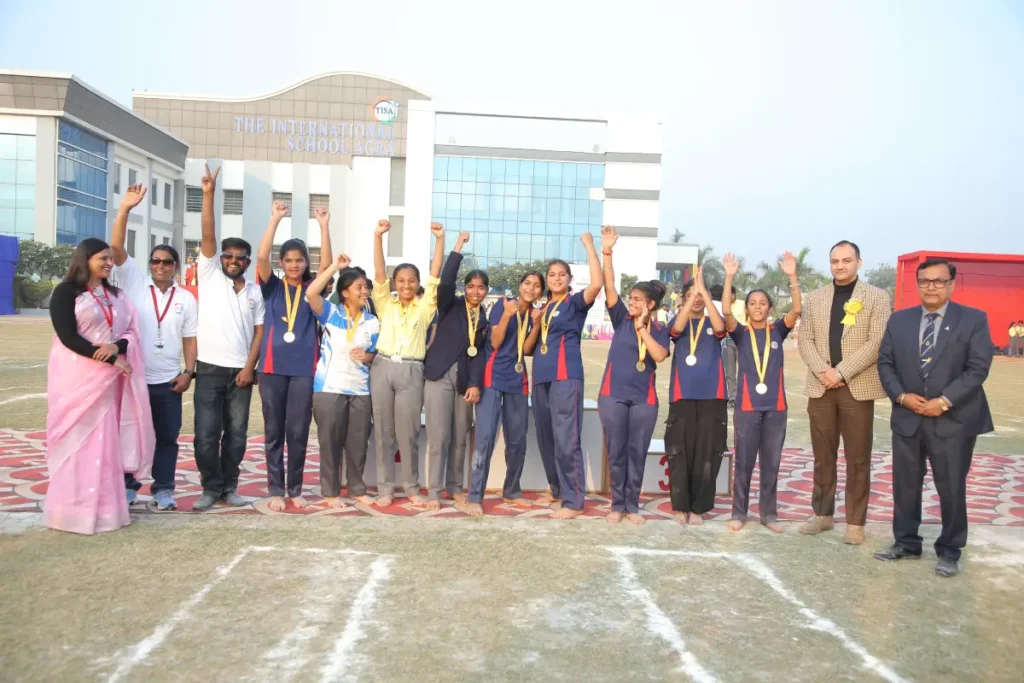
Schools play a key role in how extracurricular activities impact students. It is not just about offering activities, but also about guidance, structure, and encouragement.
Good schools provide trained mentors and proper facilities. Additionally, they ensure participation does not feel like pressure. In such settings, students feel motivated rather than burdened.
Schools like TISA follow this balanced approach, where cocurriculars become part of everyday learning rather than extra tasks. This helps students stay engaged consistently.
Common Mistakes to Avoid While Choosing Activities
It is easy to fall into chaos if you’re not cautious. How so? Well, sometimes, choices are made based on trends or peer pressure. However, this may not suit every student.
Avoid selecting activities only because others are doing them. This is something your kid also needs to understand. Similarly, avoid overloading schedules with too many options. We listen to students and their feedback on what they may be interested in.
Therefore, gradual involvement with proper rest ensures healthy growth.
How Co-Curriculars Support Future Opportunities
Co-curricular activities help students stand out later in life. Colleges value leadership, teamwork, and initiative. There are also sports and extra activities quotas when you’re applying for admissions, scholarships, or competitive exams. These activities help them.
Participation also builds discipline and time management. Additionally, students develop confidence while handling challenges. Hence, cocurricular exposure prepares students for real-world situations.
Final Thoughts on Choosing Co-Curriculars in Agra
In short, cocurricular activities shape students beyond academics. They help build skills, confidence, and resilience. Therefore, choosing the right activities matters much more. But at the same time, we need to set our kids free and trust their ability to choose whatever may be right for them.
Well, understanding interests, balancing workload, and selecting supportive schools make the process smoother. So, take time to explore options, observe growth, and adjust when needed. Education works best when learning feels engaging, balanced, and meaningful.