Many parents face the issue of their child having loved learning but suddenly losing interest. This is a typical pattern witnessed in children aged 9 to 12. Before entering this age group, children typically have a balanced homework routine and often discuss school with their parents.
We are here to tell you that you’re not alone. Many parents notice a similar shift during this age group. Why’s that? Plenty of reasons, like fading of curiosity to motivational decline, could be behind it. Let’s take a deeper dive to help you out:
Understanding the Age at Which Curiosity Begins to Change
At first, this change could feel confusing for you. After all, this is not the teenage phase yet. However, this stage plays a crucial role in shaping how your child views learning for years ahead. So, what really happens during this age bracket? More importantly, how can this interest be rebuilt without pressure or fear?
Let’s try to keep it simple. Teenage years or puberty aren’t the only phase of your child’s life. Between the ages of nine and twelve, your child undergoes significant mental and emotional development.
Basically, their thinking deepens, questions become sharper, and comparisons start to appear. Earlier, learning felt natural and playful. They were trying to understand the world.
Now, subjects begin to feel structured, graded, and measured. Therefore, curiosity slowly turns into performance pressure. Additionally, children at this age become more aware of expectations.
They start noticing marks, ranks, and reactions. Consequently, learning no longer feels safe. It feels evaluated. This mental shift often becomes the first crack in their interest. Like how, as adults, we have our performance evaluations at jobs.
1. Academic Pressure Appears Earlier Than You Realise
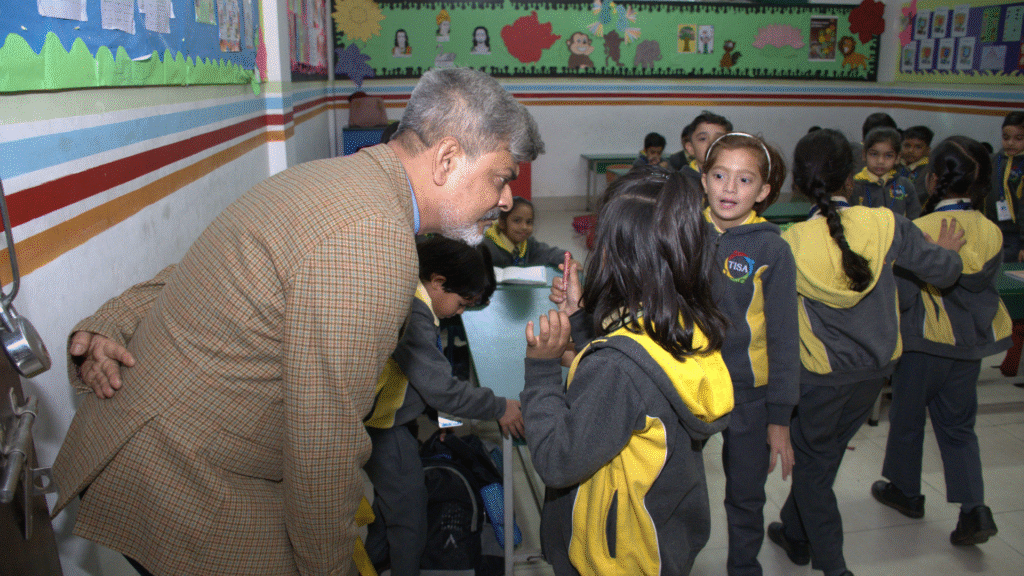
We also need to note that during these years, the child is making a transition from easy learning to a more challenging side of the syllabus. For instance, concepts grow abstract, and homework increases. Even tests become more frequent.
However, emotional readiness often lags behind academic demand. Your child may understand the topic but feel overwhelmed by volume. Moreover, comparison creeps in silently. Peers perform better, and class ranks are discussed.
These expectations rise because your child wants to be popular, or at least not perceived as stupid or dumb by other kids, to maintain a status and standing. This is also usually the year many students start fighting amongst each other, as they fail to find any other way to dominate the class or grow popular.
As a result, effort slowly disconnects from enjoyment. When learning feels like a race, curiosity tends to step back.
2. Fear of Failure Replaces the Joy of Trying
One overlooked reason behind disengagement is fear. Not fear of learning, but fear of getting it wrong. Before entering this age, the mistakes felt normal. Now, errors feel visible, as marks reflect them. Teachers are usually more lenient towards kids as they are trying to encourage them. Now, the students get corrected publicly, and parents unknowingly highlight these errors.
Therefore, your child may start avoiding subjects where confidence feels low. Silence replaces questions and guesswork replaces exploration. When mistakes feel unsafe, interest naturally fades.
3. Teaching Styles Do Not Always Match Learning Styles
At TISA, we have long witnessed that every child processes information differently. They could learn by doing the task, seeing, or even by asking new questions. However, classroom structures often follow a single pace and method.
This gap creates frustration. If your child struggles to keep up or feels unheard, learning starts to feel disconnected. Over time, disinterest becomes a defence mechanism. In simple words, when learning stops making sense, attention quietly leaves.
4. Screens Compete for Attention Differently
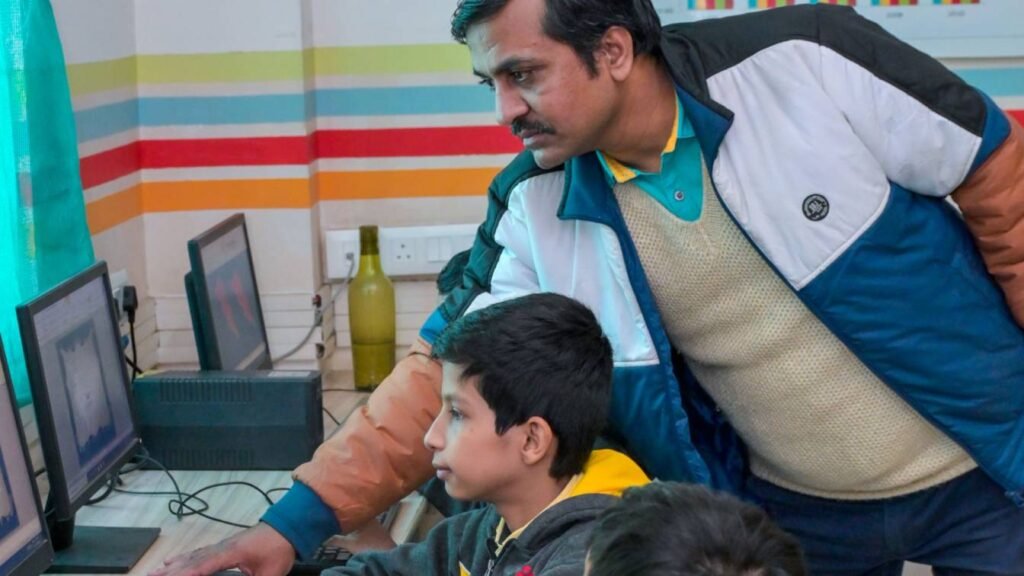
Digital advancements have brought not only TVs, but also Laptops, Tablets, and even smartphones. It has become easier for the kids to get distracted. While there could be learning opportunities from these screens, we shouldn’t overlook the obvious distraction in the form of media consumption, games, and more.
And so, children would want to spend more time with all this than learn. After all, we were all once kids, as well, and all we wanted to do was watch our favourite show. But during those times, we have a routine and timing for the favourite shows. Today’s kid would require something similar.
How Interest Can Be Rebuilt Without Pressure
Now comes the hopeful part. Loss of interest does not mean loss of ability. It simply signals a need for change in approach. We need to understand that between nine and twelve, emotional awareness sharpens. This is the age when kids usually sharpen their friendships and rivalries. Social acceptance matters more, as we mentioned earlier.
Conflicts with peers, self-image concerns, and emotional sensitivity take centre stage. Studies quietly move to the background. Moreover, you could notice children forming opinions about themselves. Labels like “good student” or “weak in maths” start to settle in TISA Support Students Academically From Class IX to XII.
However, this is also the peeking point from where it can all change:
1. Creating Space for Questions Without Judgment
Children feel motivated when questions feel welcome. They shouldn’t feel that their questions are silly. Even if it feels like something a kid younger than them should know. There’s no need for correct answers, either. We just need to converse with the kids, understand their thoughts and ideologies.
When your child feels heard, learning starts feeling safe again.
2. Shifting Focus From Marks to Understanding
This is the most important part we can contribute to, as teachers and parents. There’s no doubt that grades always exist. However, these grades reflect performance, not potential.
We need to appreciate a child’s effort in scoring as well as they can. It would keep them motivated, just like how you used to encourage them for walking or saying their first words. This will go a long way in keeping their interest intact in studies.
3. Connecting Subjects to Everyday Experiences
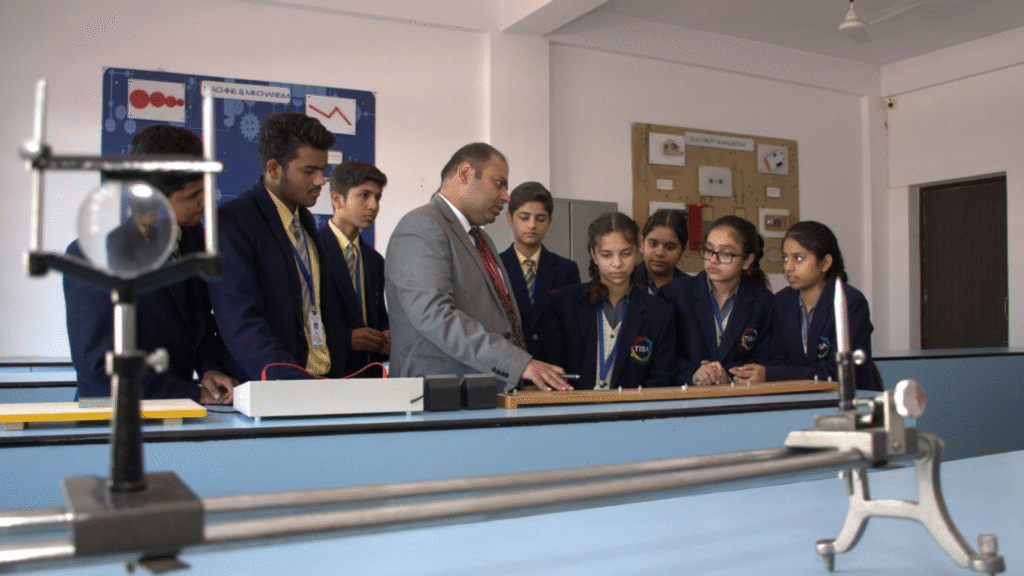
At this age, Children also start questioning the use of whatever they are learning. It is essential to show them the application. For example, Maths could be used for shopping (money calculations, and quantities).
Science could be used for cooking, and English or other languages could be used for conversations. If we can also help them see Moral Science or Literature stories as fun and entertainment, they will eventually get more inclined towards it.
4. Allowing An Individual Pace
We are often in a rat race, where students have to learn quickly and do their best. Each child has a unique mind, and they develop at different rates. You can’t force them to jump classes or even learn something faster. We need to be patient. Even if the child shows slow learning, we need to give them the benefit of the doubt.
Here’s the harsh truth: even if your child fails, it is time for them to repeat the grade and do better. We don’t need to put too much stress on them to succeed.
5. Encouragement, Freedom, And Emotional Well-being
The projects and experiments your children get in books are there to participate in and explore. They are equally as crucial as the theories they learn. Therefore, opening your child to discussing a topic with you or participating in a project with them will encourage them. You might not know, but it is even great for our mental development and knowledge.
This being said, we also need to ensure proper discipline and routine for our kids. They should have a specific timing to enjoy games, outdoor times, studies and whatnot. While there’s no need to follow it strictly, there needs to be a guideline to help your child make the best out of their daily routine. And remember to always communicate with your kids.
The Role of Schools in Sustaining Interest
Schools play a crucial role during this phase because supportive environments, adaptive teaching, and student-focused learning matter deeply. When schools recognise emotional and cognitive development together, disengagement reduces.
A learning space that values growth over comparison helps children reconnect with studies naturally.
Our message for you:
This phase sets the tone for higher classes. If your child is disinterested, they might likely abandon studies altogether. At ages nine to twelve, learning shifts from playful discovery to purposeful understanding. This transition needs support. When children feel safe, valued, and understood, learning regains meaning.